Hey folks, if you’re knee-deep in the world of farming, you’ve probably heard of AgTalk. It’s that bustling online spot where farmers swap stories, troubleshoot problems, and stay ahead of the curve. In this article, we’re diving deep into what makes AgTalk tick. Whether you’re a seasoned pro or just curious about agriculture, we’ll cover everything from its roots to its daily buzz. AgTalk isn’t just a forum—it’s a community lifeline for those in the ag industry. Let’s get into it, keeping things straightforward and easy to follow.
What Is AgTalk?
AgTalk, often called New Ag Talk or NAT, is an online forum dedicated to agriculture. Think of it as a virtual coffee shop where farmers, ranchers, and ag pros gather to chat about everything from crop yields to machinery fixes. Launched as a simple, no-frills platform, AgTalk has grown into a key resource for real-world advice.
At its core, AgTalk connects people across the U.S. and beyond. Users post questions, share experiences, and even buy or sell equipment through classifieds. It’s free to join, runs on donations, and steers clear of heavy ads, which keeps the focus on genuine discussions. If you’re searching for practical ag insights, AgTalk is where you’ll find them.
Why does AgTalk stand out? In a digital world full of glossy sites, it keeps things basic—easy to navigate even on slow connections. This approach has built a loyal user base over the years.

Ag panelists take issue with perception farmers get large amounts …
The History of AgTalk
AgTalk’s story starts back in the late 1990s and early 2000s, when online forums were exploding. It emerged from frustration with existing ag sites. Farmers were tired of platforms loaded with ads, slow graphics, and corporate agendas. One major gripe was with a popular ag publication’s forum (often hinted at as “SF” in discussions)—it prioritized ads over user needs, especially for those on dial-up internet.
A group of dedicated farmers decided enough was enough. They created New Ag Talk as an alternative: ad-free, simple, and farmer-focused. The goal? An open space for “coffee shop style” talks about daily farm life, like “Will this tractor pull that implement?” or “How do I fix a clogged sprayer?”
According to user recollections on the site, AgTalk launched around 2005-2006, though exact dates vary in threads. It was donation-based from the start, opposing commercial interests. Over time, it absorbed users from failing forums, growing organically through word-of-mouth and invitations.
By 2010, AgTalk boasted nearly 19,000 registered users, per an old thread. Today, while exact current stats aren’t publicly touted, the site’s activity suggests tens of thousands of members, with thousands of daily posts across categories. It’s evolved with tech but stayed true to its roots—no fancy apps, just solid forums.
AgTalk’s history shows how grassroots efforts can thrive. In the 1990s, ag forums began with magazines and pioneers, but AgTalk carved its niche by prioritizing users.
Discover More Blogs : Blooklet The Ultimate Gamified Learning Platform for
Key Features of AgTalk
AgTalk packs useful tools without overwhelming you. Here’s a breakdown:
- Forums: The heart of the site, divided into categories for focused chats.
- Search Function: Quickly find past threads on topics like pest control or market trends.
- Classifieds: Buy/sell section for equipment, seeds, or livestock—great for deals.
- Language Options: Basic support for non-English users.
- Desktop View Toggle: Switch to a classic layout if needed.
- Donations and Policy: Keeps it running ad-free; clear rules for respectful posting.
No mobile app yet, but the site works on phones. Features like thread viewing (flat or nested) make reading easy.
Exploring AgTalk’s Main Categories
AgTalk organizes discussions into categories, making it simple to jump in. Here’s a table of the main ones, with descriptions and example topics:
| Category | Description | Example Topics |
|---|---|---|
| Machinery Talk | Discussions on tractors, combines, and tools. | “Best tire for muddy fields?” or “JD vs. Case IH reliability.” |
| Crop Talk | All about planting, harvesting, and crop management. | “Corn yield in drought” or “Soybean pest control tips.” |
| Stock Talk | Livestock care, breeding, and markets. | “Cattle feed alternatives” or “Hog health issues.” |
| AgTalk Cafe | General off-topic chats, like weather or news. | “Farm life stories” or “Current events impacting ag.” |
| Kitchen Table | Family, finance, and farm business. | “Estate planning” or “Budgeting for inputs.” |
| Precision Talk | Tech like GPS, drones, and data farming. | “Yield mapping software” or “Auto-steer setups.” |
| Drone Talk | Specific to UAVs in ag. | “Best drones for scouting” or “Regulations update.” |
| Market Talk | Prices, trading, and economic trends. | “Grain futures” or “Land values.” |
| Where Can I Find????? | Sourcing parts or services. | “Rare tractor parts” or “Local seed suppliers.” |
| Computer Talk | Tech support for farm software. | “Farm management apps” or “Internet for rural areas.” |
These categories cover the ag spectrum, with Market Talk and Machinery Talk often the busiest.

Farmers Discussion Stock Photo – Download Image Now – Agricultural …
How to Join and Use AgTalk
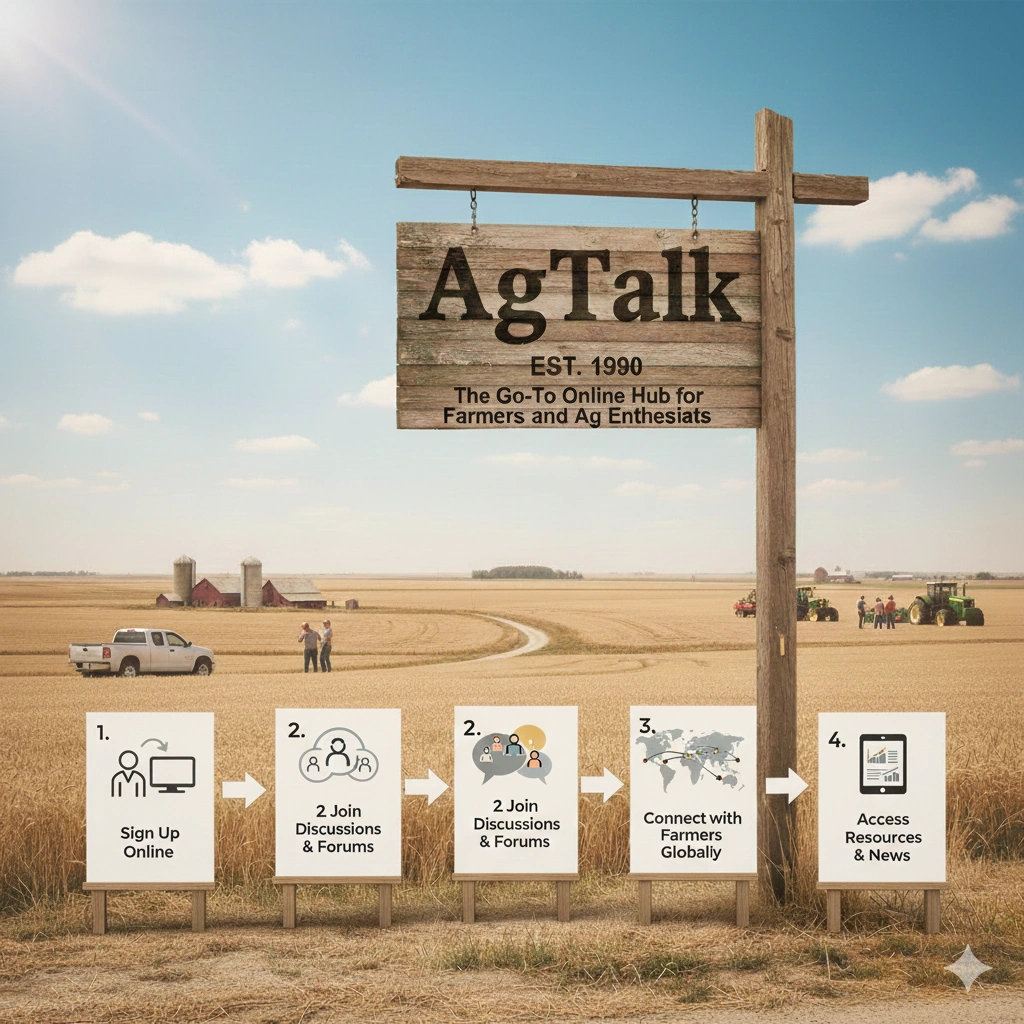
Getting started on AgTalk is straightforward. Head to talk.newagtalk.com, click “register,” and fill in basics like username, email, and password. Verify your account, and you’re in.
Tips for new users:
- Read the posting policy—keep it civil, no spam.
- Introduce yourself in AgTalk Cafe.
- Use search before posting to avoid duplicates.
- Contribute by answering questions; it builds cred.
- Donate if you can; it supports the site.
Once in, browse forums, reply to threads, or start your own. It’s user-friendly, even for tech novices.
More Articles : https://cinebench.org/seekde/
Popular Discussions and Examples on AgTalk
AgTalk hums with real-life stories. For instance, a recent thread on “Sugar beet farmers” debated recreational tillage vs. no-till, with users sharing yield data from their farms.
In Market Talk, posts like “Agriculture operating credit lines” discuss financing amid high interest rates—vital in 2025’s economy, where farm income dropped 15% per USDA stats.
Machinery threads often feature photos and specs, like “History of Allison GM Transmission,” where users trace evolutions and fixes.
Stats-wise, agriculture faces challenges: U.S. farm numbers dipped to 1.9 million in 2024 (USDA), down 7% from 2017. AgTalk helps by crowdsourcing solutions, like drone use rising 25% in precision ag (FAA data).
Examples abound: A user in 2023 asked about video stats for farm content, highlighting AgTalk’s role in digital ag marketing.
Benefits of Using AgTalk
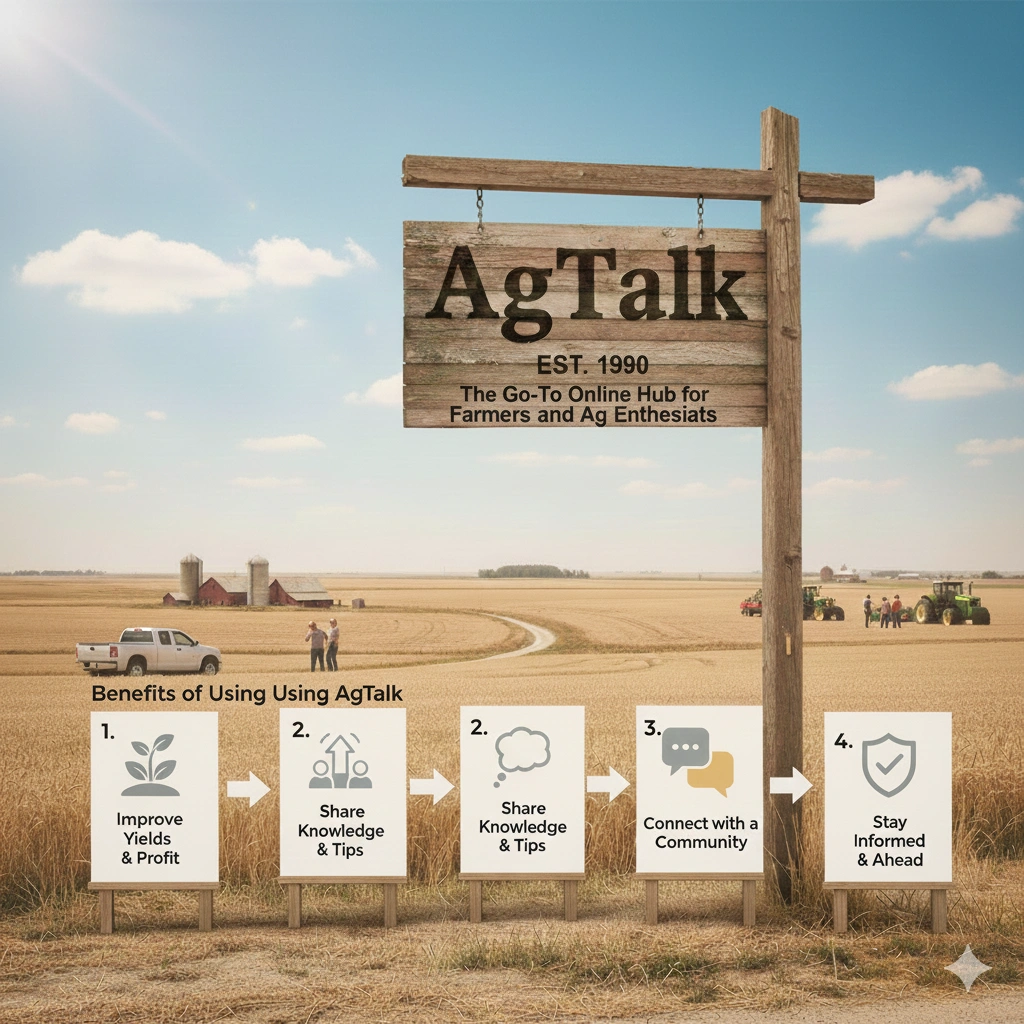
Why bother with AgTalk? It’s free wisdom from peers. Farmers save time and money—think avoiding a bad equipment buy based on reviews.
Community support shines during tough times, like droughts or market crashes. In 2025, with input costs up 10% (USDA), threads on cost-cutting are gold.
It fosters innovation: Discussions on sustainable practices, like cover crops, align with global trends—ag sustainability market hits $15 billion by 2025 (Statista).
Downsides? Occasional heated debates, but moderation keeps it clean. Overall, AgTalk empowers users, building networks beyond local co-ops.
AgTalk’s Impact on the Agriculture Industry
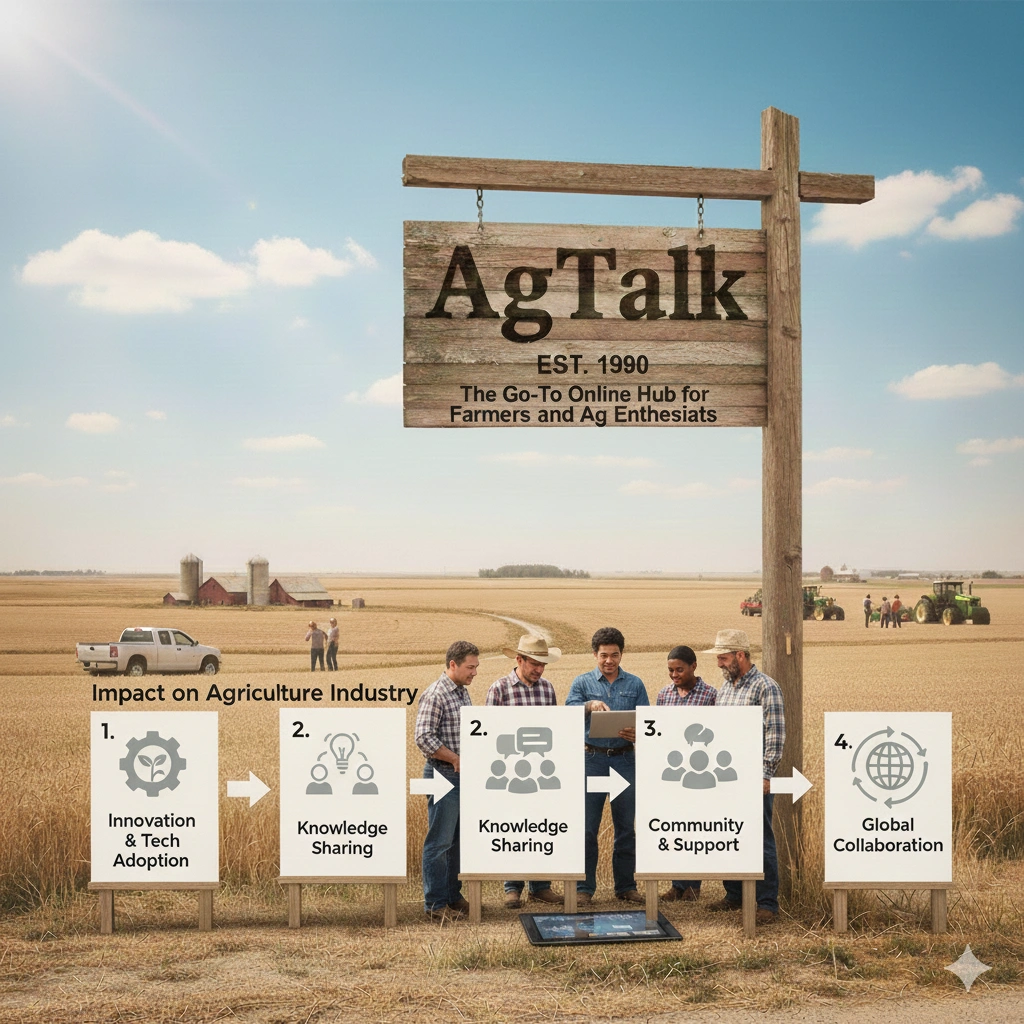
AgTalk influences farming broadly. It democratizes info, helping small operations compete. For example, threads on policy, like USDA surveys, inform users on data’s role in markets.
In education, it’s a resource for students—threads on “future of agriculture” list issues like climate change, labor shortages, and tech adoption.
Stats show online ag communities grow: 60% of farmers use forums for advice (Purdue survey, 2024). AgTalk leads, with high engagement.
It even shapes opinions on big topics, like subsidies—threads debate stats on farmer reliance.
Globally, similar forums exist, but AgTalk’s U.S. focus makes it unique.
Statistics and Facts About AgTalk
While AgTalk doesn’t flaunt numbers, insights from threads and reports paint a picture:
- Registered users: Nearly 19,000 in 2010; likely over 50,000 now based on activity.
- Daily posts: Hundreds, with peaks during planting/harvest.
- Threads: Millions accumulated over 15+ years.
- Engagement: High in Market Talk, with economic discussions.
Broader ag stats: U.S. ag output $500 billion in 2024 (USDA); forums like AgTalk aid efficiency.
In a 2025 Farm Progress article, AgTalk is called “where the action is” for online ag communities.
More Blogs : https://cinebench.org/seekde/
Challenges and Future of AgTalk
AgTalk faces modern hurdles: Cybersecurity, mobile optimization, and attracting young farmers (average U.S. farmer age: 58, USDA).
Future? More tech integration, like AI for searches, but staying ad-free is key.
As ag evolves—electric tractors, biotech—AgTalk will adapt, remaining a staple.
Final Thoughts
AgTalk is more than a forum; it’s a vital network for the ag world. From its humble, anti-ad origins to today’s vibrant discussions, it empowers farmers with knowledge and community. If you’re in ag, give AgTalk a try— it might just solve your next farm puzzle. In an industry full of uncertainties, places like AgTalk remind us we’re all in it together. Keep farming smart, folks.
Frequently Asked Questions (FAQs)
1. What is AgTalk?
AgTalk is an online forum for farmers to discuss agriculture topics like machinery, crops, and markets.
2. How did AgTalk start?
It began in the early 2000s as an ad-free alternative to commercial ag forums, focused on farmer needs.
3. Is AgTalk free to use?
Yes, it’s free to register and participate; it runs on user donations.
4. What are the most popular categories on AgTalk?
Machinery Talk, Crop Talk, and Market Talk see the most activity.
5. How can I join AgTalk?
Visit talk.newagtalk.com, register with an email, and start posting after verification.